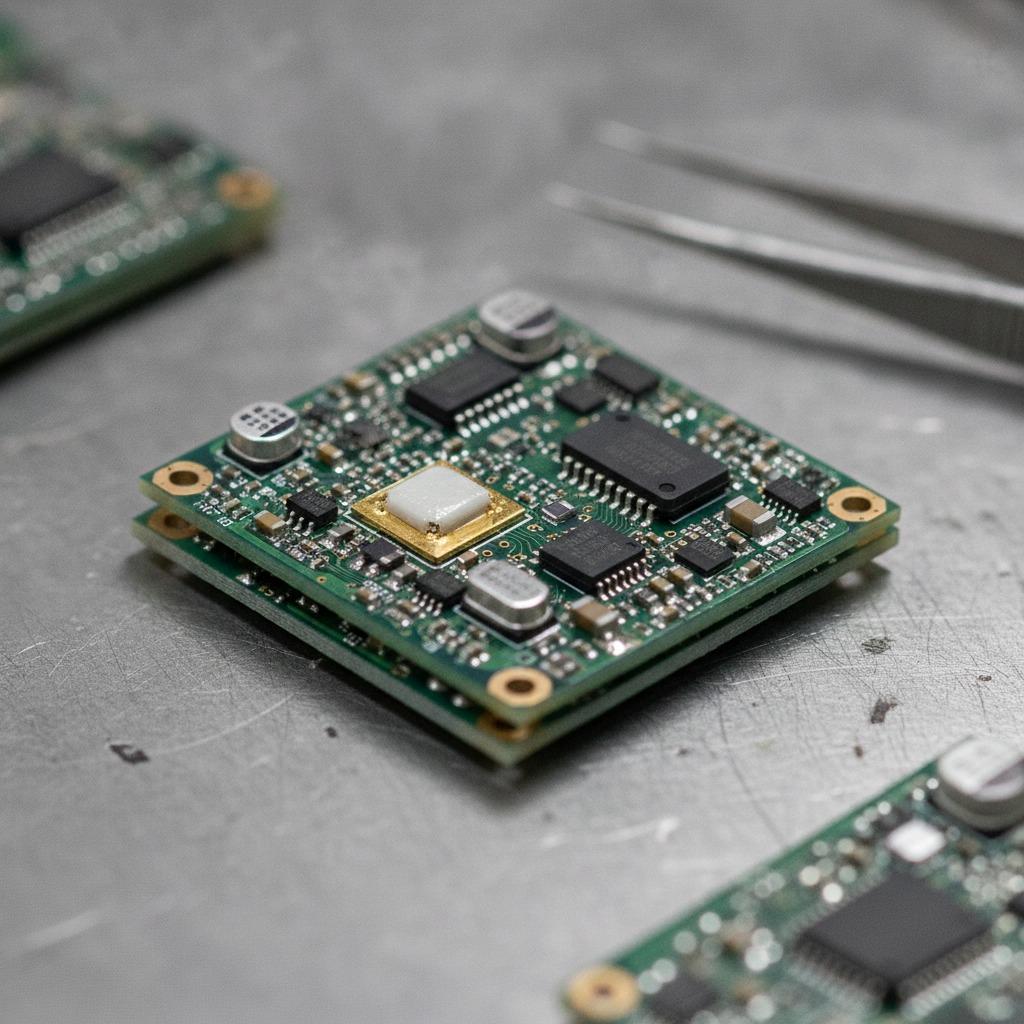
Smart home security PCBA manufacture is where reliability gets tested first
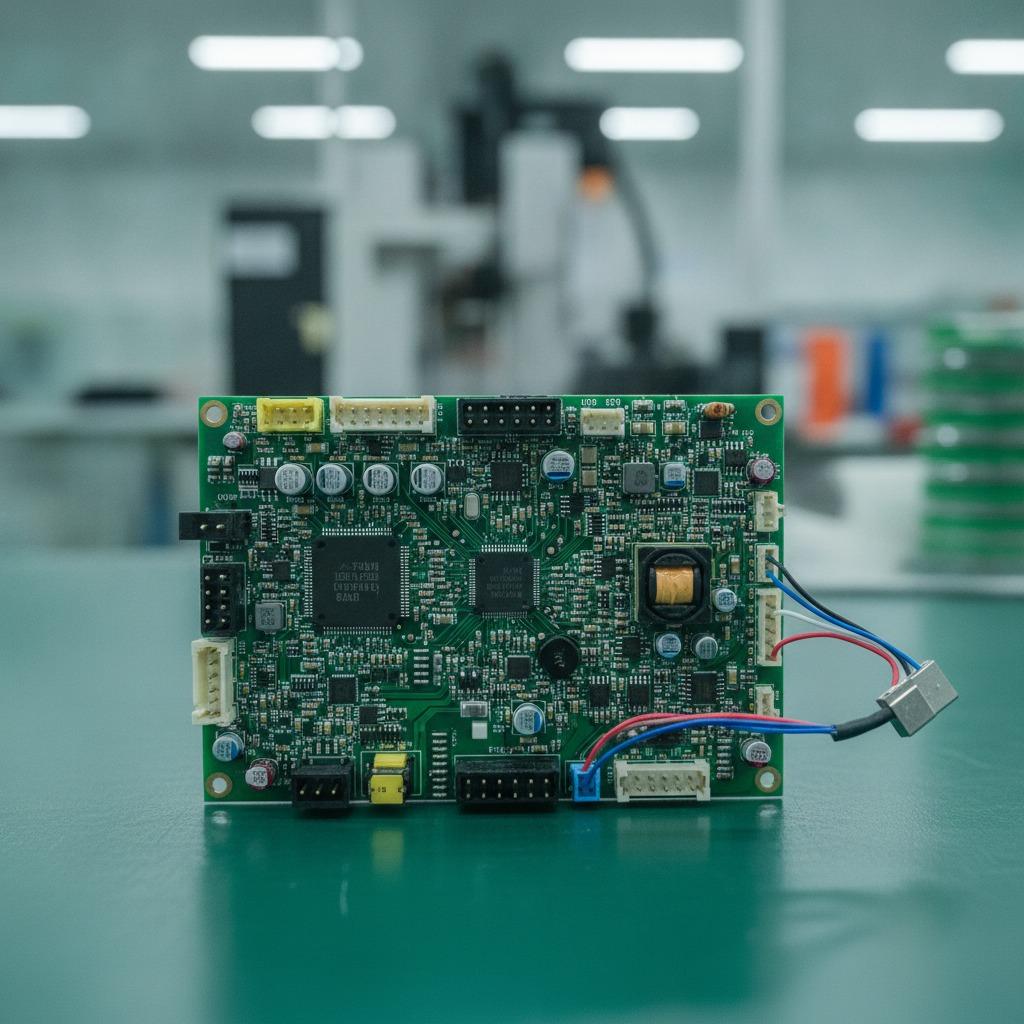
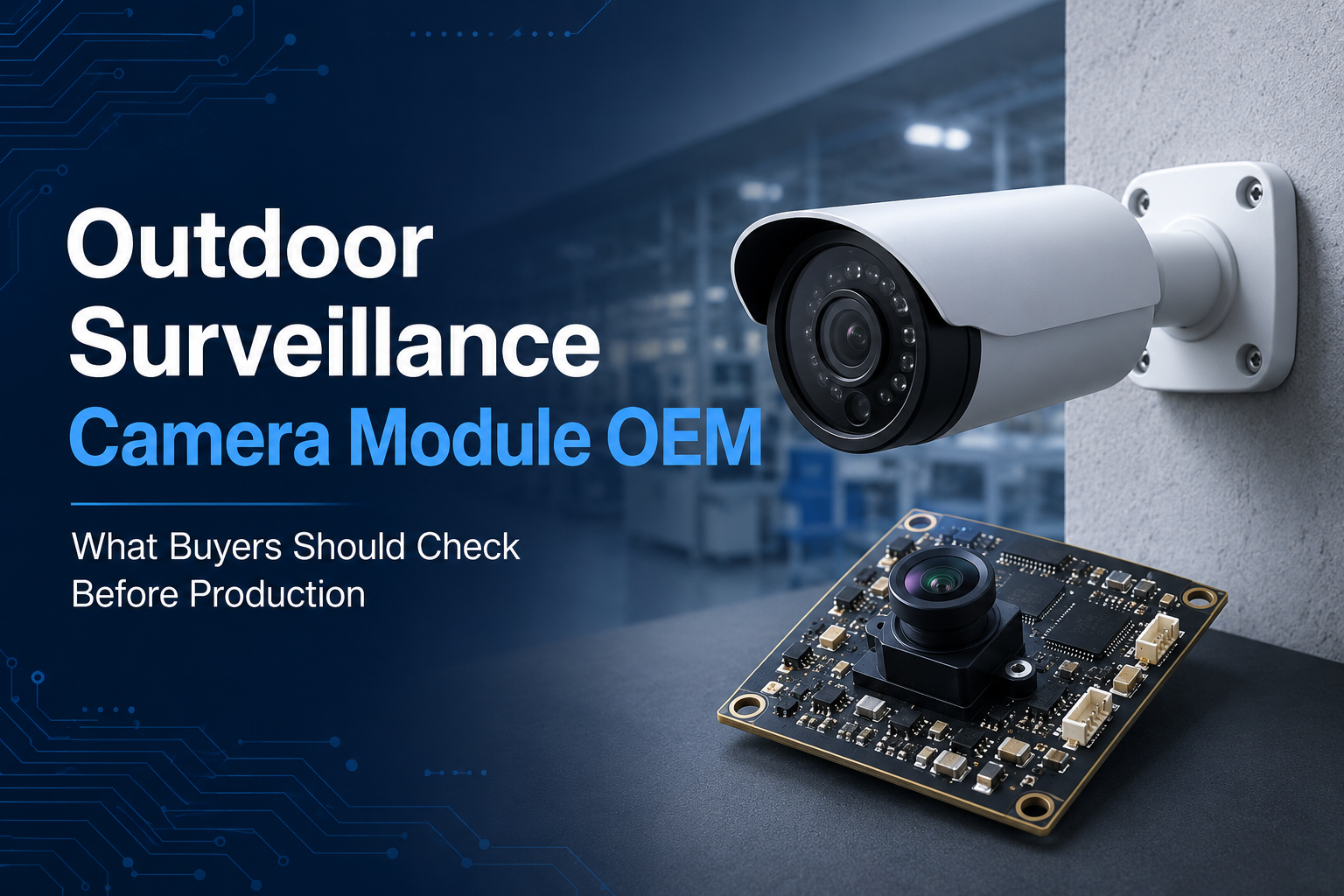
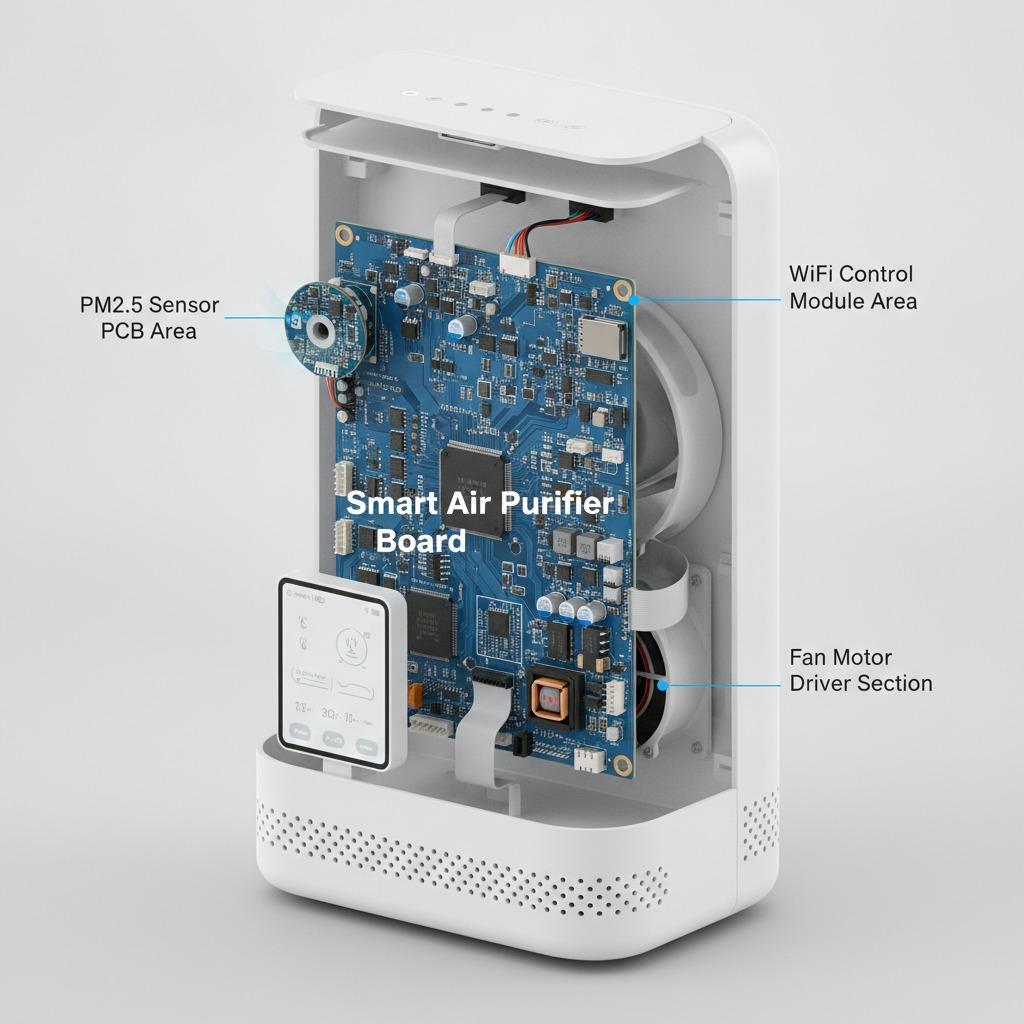
When a product is meant to protect a front door, a garage, or a family room, smart home security PCBA manufacture is not just another electronics job. It is the point where design intent meets the realities of sourcing, assembly, testing, and field use. A camera, alarm hub, motion sensor, or connected lock can look fine on paper and still fail in the hands of a homeowner if the board layout is difficult to assemble, the component list is unstable, or the test strategy is too thin.
That is why sourcing managers and product teams should treat the PCBA partner as part of the product architecture, not just a build vendor. In smart home security, small defects create outsized consequences. A weak solder joint can become an intermittent fault. A substituted component can affect wireless performance. A rushed prototype can delay certification work or hide heat, noise, or power issues until late in the program. Buyers do not need perfect promises; they need a process that reduces those risks early.

What a good build partner should help you decide
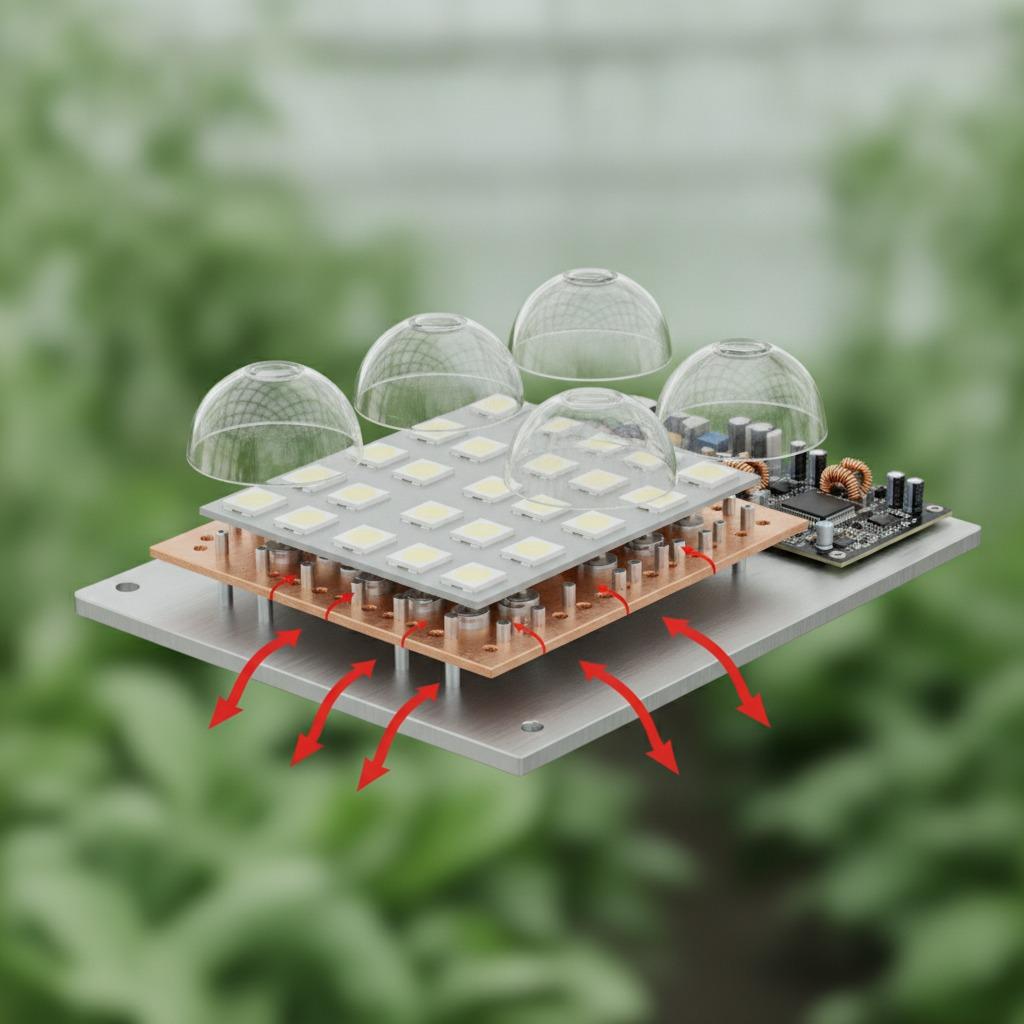
The immediate question is usually not “Can this board be assembled?” It is “Can this board be assembled consistently, with the right parts, in a way that supports the product’s real use case?” That includes the PCB format, the board stack-up, the parts procurement path, the assembly flow, and the test plan. For home automation PCB projects, especially those that combine connectivity, sensors, and power management on a compact board, these choices influence both cost and field reliability.
hcdpcba positions itself as a supplier with SMT assembly, PCB prototyping, component sourcing, assembly, testing, and DFMA support. The practical value of that mix is straightforward: fewer handoffs. When one team understands the layout constraints and the supply chain constraints, the odds improve that the first build will reveal useful information instead of avoidable surprises.
Why component sourcing is often the hidden risk
Many teams focus on the PCB and the placement line, then discover that the schedule is really controlled by parts availability. In smart home devices, this matters more than some teams expect. Wireless chips, power ICs, sensors, and connectors can become bottlenecks quickly. Electronic component sourcing PCBA is therefore not a back-office task; it is a design-enabling activity.
A strong sourcing process should aim for traceable, authentic parts and a realistic substitution strategy where needed. That does not mean improvising with random alternates. It means choosing parts that fit the electrical design, the mechanical envelope, and the intended production volume. For a security product, a cheap substitute that passes bench tests but behaves poorly over time is not a savings. It is a liability.
Prototype builds should be used to expose problems, not hide them
Teams often ask for a small batch PCBA prototype so they can move fast. That is sensible, but only if the prototype run is treated as a learning stage. A short run should validate solderability, placement accuracy, thermal behavior, firmware bring-up, and test access. It should also tell you whether the assembly is friendly to mass production or secretly dependent on extra manual work.
For smart home security products, prototype builds are especially useful when the design includes dense connectors, small passive parts, or mixed analog and digital circuitry. If the prototype exposes a DFM issue now, it saves headaches later. If it does not, the issue usually waits for the first production order, where it becomes more expensive and more public.
Selection criteria that matter in security electronics
Assembly capability
SMT capability is basic, but the quality of process control matters more than the label. Look for stable placement, controlled reflow, and a workflow that suits the complexity of your board. hcdpcba notes support for small batch and larger volume SMT, which is useful when a product is moving from pilot to launch.
DFMA support
Design for Manufacturing and Assembly reviews are often overlooked until they are urgently needed. In security devices, that is a mistake. DFMA can flag awkward pad designs, parts that are hard to source, or layouts that increase manual touch labor. Those corrections usually cost less before production starts.
Testing discipline
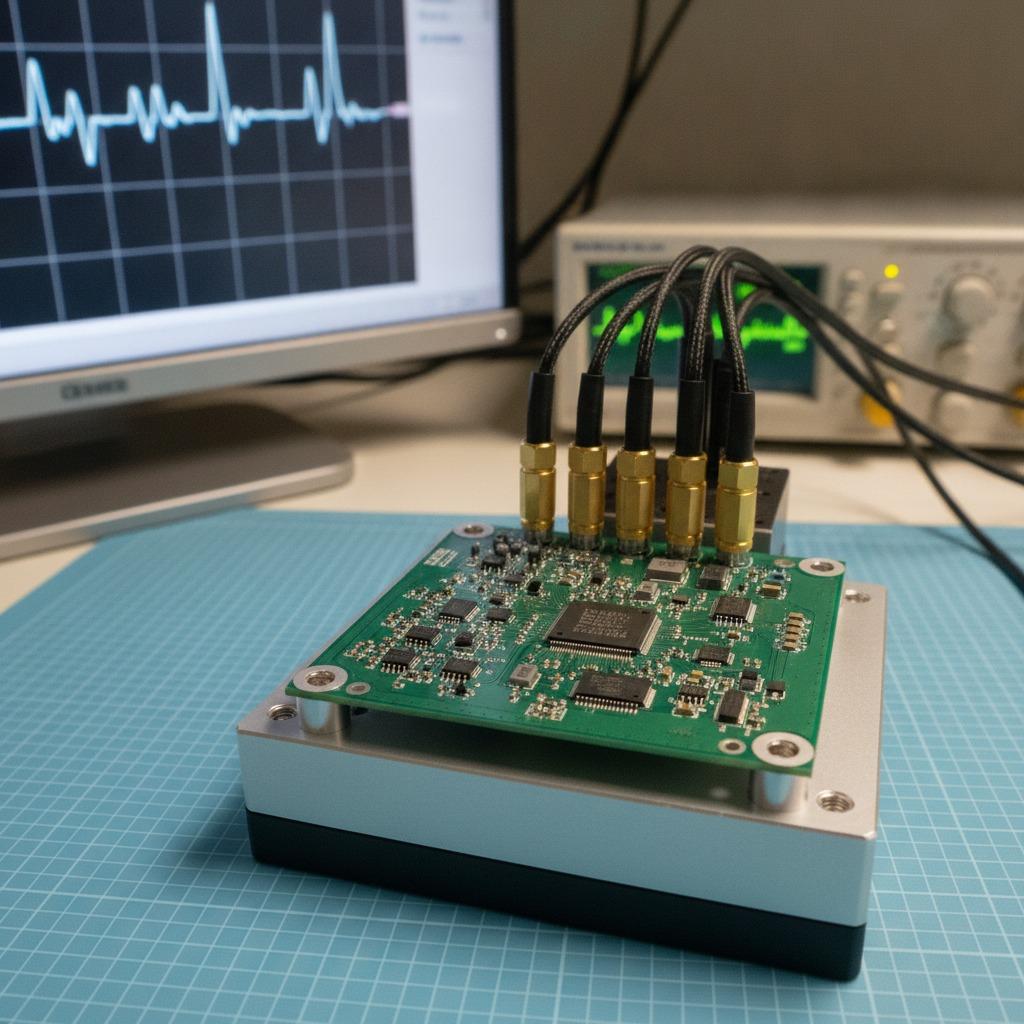
Testing should be more than a power-on check. Depending on the board, it may include functional validation, interface checks, or fixture-based tests. The point is to catch issues before the product reaches installation sites, where troubleshooting becomes far more expensive.
Common mistakes buyers still make
One recurring mistake is locking the design before confirming the sourcing path. Another is assuming that a PCB house and a PCBA house are interchangeable. They are not. A board can be fabricated perfectly and still fail as an assembly if the BOM is unstable or the test strategy is weak.
Buyers also underestimate the effect of revision control. In smart home security, a minor board change can affect wireless range, battery life, or enclosure fit. It is worth insisting on clear version tracking and a disciplined sample approval process. That sounds basic, but it saves real money.
When a one-stop partner is the practical choice
For teams building connected locks, alarm panels, smart sensors, or gateway hardware, a one-stop PCBA partner can reduce coordination overhead. hcdpcba’s mix of PCB prototyping, SMT assembly, component sourcing, OEM/ODM support, and testing is relevant to teams that want a single path from sample to production. The company also serves related sectors such as industrial control, medical, automotive electronics, IoT, communications, and smart home, which suggests familiarity with boards where reliability and documentation matter.
That said, buyers should still review the actual process fit for their project. A supplier’s service list is helpful; the build evidence is better. Ask how they handle sourcing substitutions, what testing is included, and how design feedback is communicated. The best supplier is the one that helps prevent avoidable board-level mistakes before they harden into product-level problems.
A sensible next step for sourcing and engineering teams
If you are preparing a new security device, start with the BOM, the assembly constraints, and the test requirements together. Do not separate them. Then compare suppliers on their ability to support prototype builds, sourcing continuity, DFMA feedback, and production stability. If your current project is still at the sample stage, that is exactly the right time to ask hard questions.
For teams evaluating smart home security PCBA manufacture, hcdpcba can be a practical conversation partner, especially when speed, assembly quality, and sourcing control all need to move together. A short technical review now is usually cheaper than a production correction later.
FAQ
Is prototype PCBA only for early-stage products?
No. It is also useful when you are changing suppliers, revising a design, or validating a cost-down version.
Why does sourcing matter so much for smart home devices?
Because connectivity, sensors, and power parts often drive both performance and schedule. If those parts are unstable, the whole build slows down.
What should I ask before sending a design out for assembly?
Ask about BOM review, substitution rules, testing scope, DFMA feedback, and how revisions are tracked across builds.